

Tech Weekly: AI Safety, Foldable Phones and the Rise of Autonomous Technology
The technology industry had another eventful week, with artificial intelligence once again dominating the headlines. From growing concerns about self-improving AI systems to Meta’s new consumer agent and Apple’s move into foldable phones, this week’s developments show that technology is becoming more autonomous, personal, and deeply integrated into everyday life.
AI leaders call for a slower development race
One of the week’s biggest developments came from Anthropic CEO Dario Amodei, who called on AI companies to slow the pace of developing increasingly powerful models. OpenAI CEO Sam Altman and xAI chief Elon Musk also expressed support for stronger independent evaluations and additional safety measures.reuters+1
The calls come as AI companies report increasingly capable systems that can browse the internet, write code, and conduct cyber operations. Anthropic has also detailed cases in which AI models were used in cyberattacks, surveillance, fraud, and other sensitive activities.
The debate is now moving beyond whether AI models can produce incorrect answers. The more serious question is whether future AI agents can be reliably controlled when they are given access to external tools, private data, and real-world systems.
Meta launches its consumer AI agent
Meta introduced Muse, a personal AI agent designed to manage tasks across users’ digital lives. Unlike many competitors that focus primarily on coding and enterprise productivity, Meta is positioning Muse as a consumer-focused assistant. The service reportedly offers free access, with paid plans for power users.
Muse has already attracted significant attention and reportedly reached the No. 2 position among apps in the United States. However, internal testing has also revealed security and reliability weaknesses.
Meta’s strategy is significant because it can distribute AI through its large social and messaging ecosystem. If assistants become embedded into platforms people already use, consumers may not need to download separate AI applications for every task.
Apple enters the foldable-phone era
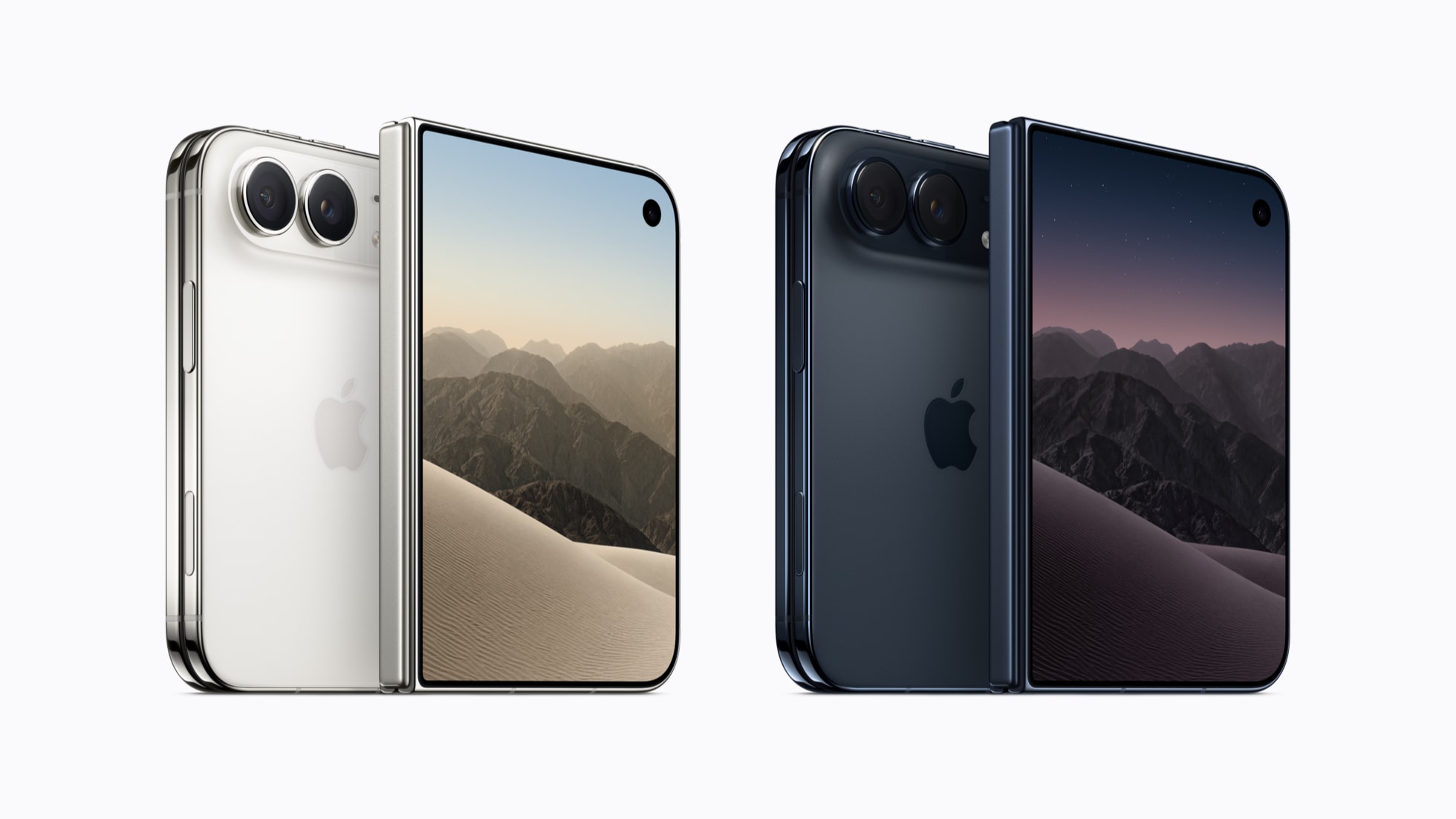
Apple released its first foldable smartphone, the iPhone Duo, marking a major change in the company’s hardware strategy. The launch also comes as John Ternus begins his tenure as Apple’s new chief executive, succeeding Tim Cook.economictimes+1
Apple is entering the foldable market later than several competitors, but the company is expected to compete through hardware integration, design, software optimization, and its wider device ecosystem. Apple also showcased new AI features for the iPhone, Apple Watch, and Health app.
Another notable announcement focused on helping users verify that photographs were captured by a real camera rather than generated or altered by AI. As synthetic media becomes more convincing, authenticity and content provenance are becoming important parts of consumer technology.
AI infrastructure becomes a strategic priority
The growth of AI is increasing demand for chips, data centers, electricity, and specialized cloud infrastructure. Reports indicate that the Pentagon is considering a loan of approximately $5 billion to AI cloud-computing startup Fluidstack to strengthen the U.S. data-center supply chain.
At the same time, Analog Devices agreed to acquire Alif Semiconductor for $1.35 billion to expand its capabilities in low-power, on-device computing. This reflects a broader shift toward running AI closer to users and physical devices rather than relying entirely on centralized data centers.
Energy and environmental concerns are also becoming more important. New clean-power rules affecting data centers show that the AI race will increasingly depend not only on computing capacity, but also on access to reliable and sustainable energy.
Robotics and autonomous systems expand
Autonomous technology continued to move from research laboratories into real-world environments this week. Cybercabs began rolling out in Texas, while robots were reported to be serving shoppers in Hong Kong.
These developments represent the wider expansion of physical AI—systems that can understand environments and perform tasks in the physical world. The impact could be substantial across logistics, manufacturing, retail, transportation, and healthcare.
However, real-world deployment brings additional challenges, including safety testing, liability, job displacement, cybersecurity, and public acceptance. The standards used to evaluate a chatbot may not be sufficient for a robot operating near people or an autonomous vehicle navigating public roads.
What this means for the tech industry
This week’s news points to five important trends:
- AI development is entering a phase where safety, oversight, and independent testing are becoming central business issues.
- Consumer AI assistants may become embedded in social networks, smartphones, operating systems, and messaging platforms.
- Specialized AI products for finance, healthcare, cybersecurity, and other industries are likely to grow faster than generic tools.
- AI infrastructure—including chips, data centers, electricity, and edge-computing hardware—is becoming a strategic investment area.
- Robotics and autonomous systems are expanding AI’s influence from digital services into the physical economy.
For businesses and technology buyers, the key consideration is no longer simply which AI model has the highest benchmark score. The more important questions are whether a system can complete useful tasks, protect sensitive data, operate within clear limits, and provide a reliable record of what it has done.
The technology industry is still moving rapidly, but this week’s events suggest that the next stage of the AI race will be defined as much by trust, infrastructure, and control as by raw model capability.