


Meet Fable and Mythos 5.1: The AI Models Anthropic Says Are Already Doing Science
Anthropic just introduced Claude Fable 5.1 and Claude Mythos 5.1, and the pitch isn’t just “faster, cheaper, smarter.” It’s that these models are starting to do original scientific work — mapping alien terrain, designing proteins that bind in a real lab, and catching a software bug that stumped human engineers for years. Two Models, One…

The Everything App Finally Has Money: Inside X’s Bet to Become America’s Next Venmo
For years, Elon Musk talked about turning X into an “everything app” — a single platform where you post, message, shop, and now, pay. In 2026, that vision quietly became real. X Money, the payments feature built directly into the app formerly known as Twitter, has rolled out to millions of U.S. users, and it…

Uber to Cut 3,300 Jobs, or 10% of Global Workforce, in Major Restructuring
Uber is cutting approximately 3,300 jobs, equivalent to about 10% of its global workforce, as part of a companywide restructuring. The move is intended to reduce management layers, simplify the company’s organizational structure and redirect investment toward ride-sharing, delivery and autonomous vehicle initiatives. Uber CEO Dara Khosrowshahi announced the changes in an internal email circulated on…
OpenAI’s Astra Model: What It Is and Why It’s Being Called “Critical” for Cybersecurity
What is OpenAI’s Astra model? Astra is OpenAI’s next frontier AI model, announced on September 1, 2026. According to OpenAI, Astra is the first OpenAI model to meet the Critical cybersecurity capability threshold under the company’s Preparedness Framework. In practical terms, OpenAI says that with the right tools and access, Astra can find previously unknown…
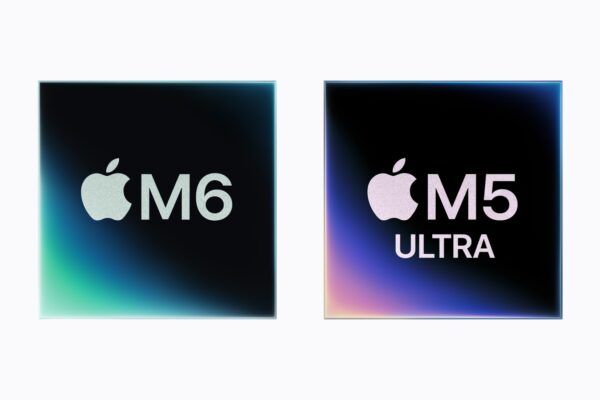
Apple Unveils M6 and M5 Ultra, Its Most Powerful Chips Yet
Image credit – Apple In a surprise late-August announcement, Apple has introduced two new additions to its Apple Silicon lineup: the M6 and the M5 Ultra. The chips arrive inside a refreshed Mac mini and a redesigned Mac Studio, respectively, both available for pre-order now, with shipments beginning September 22 running macOS 27 “Golden Gate.”…
Nvidia Reportedly Agrees to Buy Hugging Face for $12.9 Billion
Nvidia has reportedly struck a deal to acquire Hugging Face, the widely used open-source AI hub, in a transaction valued at $12.9 billion, according to a report from The Information citing a person familiar with the matter. The news follows days of speculation after Business Insider first reported over the weekend that Hugging Face was…
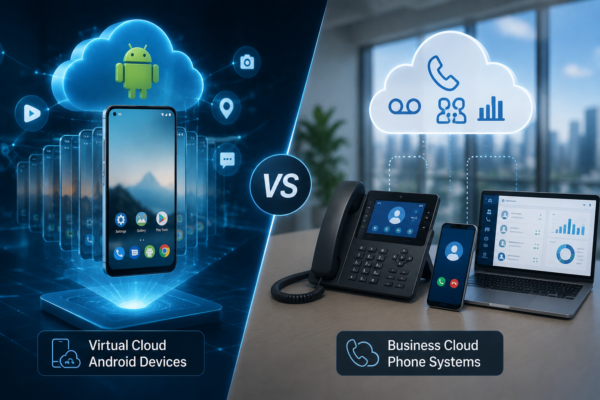
Virtual Cloud Android Devices vs. Business Cloud Phone Systems: What’s the Difference?
Search for “cloud phone” and you’ll get two completely different products in the results: virtual Android devices hosted on remote servers, and internet-based business calling systems that replace office PBX hardware. They share a name and a “the phone lives in the cloud, not in your hand” premise, but beyond that, they solve different problems…
Cursor vs GitHub Copilot (2026): Which AI Coding Tool Should You Use?
Quick answer: GitHub Copilot is a lower-cost AI extension that plugs into your existing editor (VS Code, JetBrains, Neovim, Visual Studio, Xcode, Eclipse) and is the better choice for individual developers and teams already inside the GitHub ecosystem. Cursor is a standalone AI-first editor forked from VS Code, built for deep, multi-file agentic work, and…

What Is a Business Cloud Phone System? Everything You Should Know in 2026
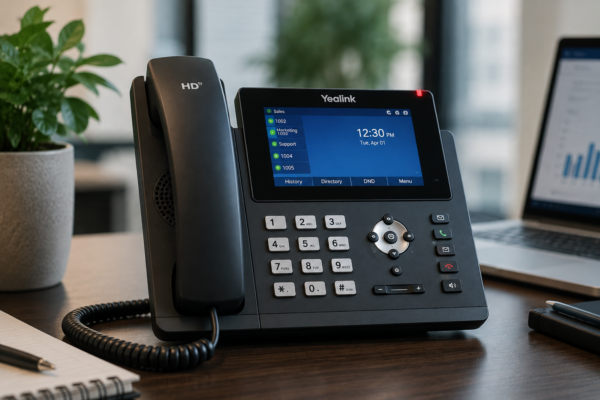
A business cloud phone system — also called cloud telephony, a hosted PBX, or a cloud-based phone system — replaces a company’s physical phone lines and on-premise PBX hardware with calling delivered entirely over the internet. Instead of a phone closet full of equipment, call routing, voicemail, and call recording all happen on a provider’s…
What Is a Cloud Phone? Everything You Should Know in 2026
A cloud phone is a virtual Android device that runs on a remote server instead of on hardware in your hand. You see and control it through a streaming client on a computer, tablet, or another phone, while the operating system, apps, storage, and processing all happen in a data center. It looks and behaves…